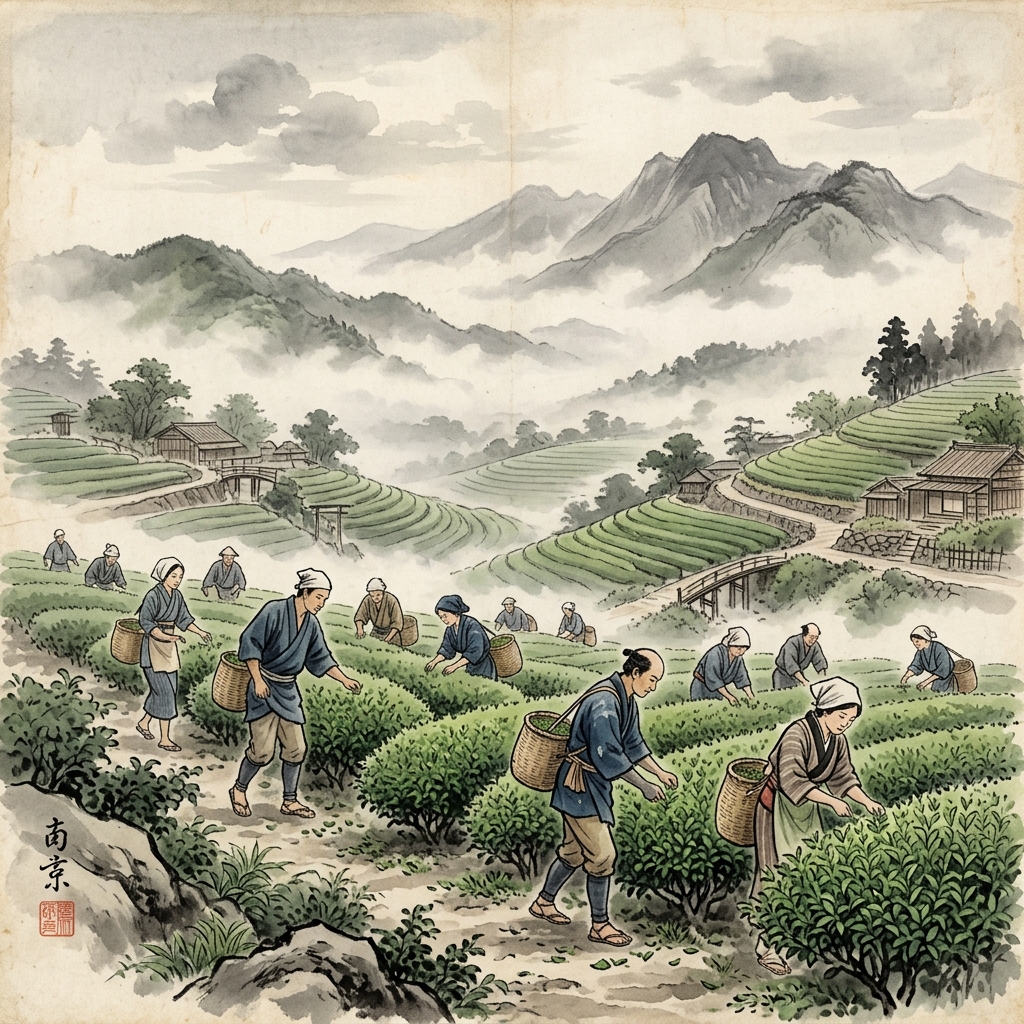
The Economic Landscape of Matcha in 2026
For B2B buyers, understanding the pricing dynamics of Japanese matcha is critical for financial planning. As we approach 2026, the wholesale pricing of matcha is experiencing significant upward pressure due to a combination of global demand and domestic agricultural challenges in Japan.Key Factors Driving Pricing Upward
1. The Depreciating Yen (JPY): Historically, a weak Japanese Yen has benefited foreign buyers. However, domestic inflation in Japan has increased the cost of fuel, organic fertilizers, and farming equipment, offsetting some of the currency exchange benefits. 2. Labor Shortages: The harvesting of premium tencha (the base leaf for matcha) is highly labor-intensive. With an aging farmer population, the cost of agricultural labor is rising sharply. 3. Explosive International Demand: Major beverage chains globally have added matcha to their permanent menus, straining the supply of mid-tier and high-tier culinary grades.2026 Pricing Estimates (Per Kilogram)
While prices fluctuate based on volume and exact specifications, buyers should anticipate the following wholesale price ranges for 100% authentic Japanese matcha:- Premium Ceremonial Grade: $150 – $300+ per kg
- Standard Cafe/Latte Grade: $60 – $120 per kg
- Bulk Culinary/Ingredient Grade: $30 – $50 per kg
Strategies for Cost Mitigation
To protect your profit margins against rising costs, buyers should avoid spot-purchasing on the open market. The most effective strategy is to secure forward contracts directly with Japanese farms. Wagyu Ninja acts as your strategic procurement partner in Japan, negotiating long-term pricing agreements and consolidating logistics to ensure you receive the best possible landed cost for premium matcha.
Karen Hashimoto
Curator & Export Compliance Director · WAGYU NINJA
Karen sources directly from Japanese producers and handles export compliance for B2B buyers in 50+ countries. Based in Fukuoka, Japan. @konnichiwa.karen