The Matcha Quality Crisis in the Cafe Industry
As the global demand for matcha lattes and pastries skyrockets, a troubling trend has emerged: cafes are unknowingly purchasing low-grade, heavily oxidized, or artificially colored matcha from deceptive international distributors. Serving inferior matcha not only disappoints discerning customers but can actively damage your cafe's reputation.
Why Source Directly from Yame, Japan?
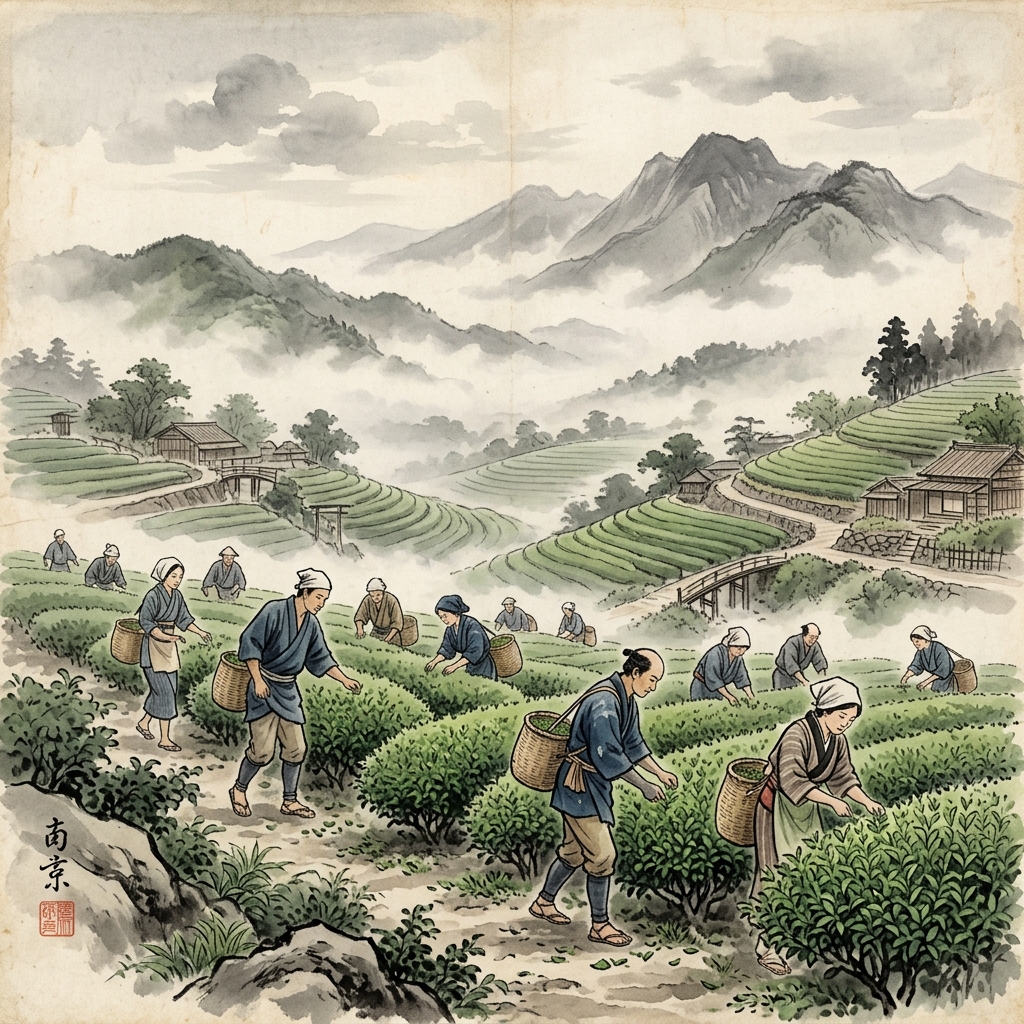
While Uji and Shizuoka are the most internationally recognized tea regions, Yame (Fukuoka Prefecture) holds a legendary status within Japan for producing the country's highest quality Gyokuro and Matcha. The region's dense morning fogs and fertile soil yield a tea with unparalleled, deep umami and minimal bitterness.
Checklist for Sourcing B2B Matcha
When selecting a wholesale supplier, demand transparency on the following points:
- Harvest Date and Flush: Is it Ichibancha (First Flush) or a later harvest? For premium drinks, accept nothing less than First Flush.
- Shading Period: True matcha leaves (Tencha) must be shaded from direct sunlight for at least 20-30 days before harvest to boost L-theanine.
- Milling Process: Is it stone-milled or machine-milled? Traditional granite stone milling generates less heat, preserving the delicate flavor profile and vibrant color.
- Origin Transparency: Does the supplier name the specific region (e.g., Yame) or just vaguely state "Product of Japan" or "Made in China"?
The WAGYUNINJA Wholesale Advantage
WAGYUNINJA bridges the gap between traditional Japanese tea masters and global B2B clients. We provide direct access to artisanal Yame matcha, ensuring farm-to-table freshness, rigorous quality control, and competitive wholesale pricing for businesses that refuse to compromise on authenticity.
Related Articles
- The Ultimate Guide to Traditional Japanese Matcha Preparation
- Importing Japanese Matcha to the UK & EU: Organic Certification and Compliance
- FDA Matcha Caffeine Content: What US Importers and Cafes Need to Know

Karen Hashimoto
Curator & Export Compliance Director · WAGYU NINJA
Karen sources directly from Japanese producers and handles export compliance for B2B buyers in 50+ countries. Based in Fukuoka, Japan. @konnichiwa.karen