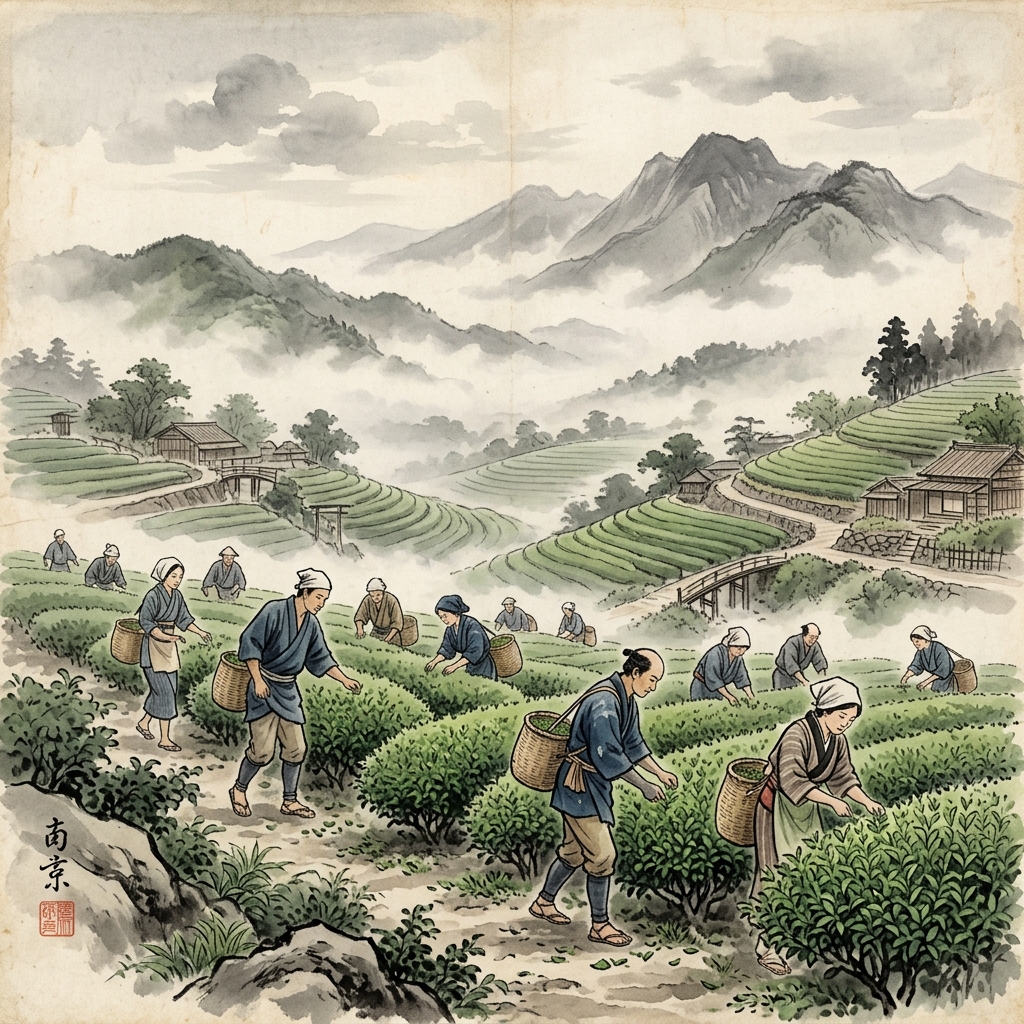
The Growing Demand for Japanese Matcha
Matcha has transcended its origins in traditional Japanese tea ceremonies to become a global superfood staple. For wholesalers, cafes, and manufacturers outside of Japan, sourcing authentic, high-quality matcha directly from the source is essential for maintaining brand reputation and profit margins.Step 1: Identifying the Right Grade
Before importing, you must define your target market:- Ceremonial Grade: Made from the youngest, most delicate shade-grown leaves. Best for direct consumption with water or high-end lattes.
- Culinary Grade: Slightly older leaves with a more robust, astringent flavor designed to cut through milk, sugar, and baking ingredients.
Step 2: Choosing the Production Region
Japan has several famous tea-producing regions, but for the highest quality matcha, two stand out:- Uji (Kyoto): The historical birthplace of Japanese tea, known for its sweet, complex umami flavor.
- Kagoshima: A massive, technologically advanced farming region that produces vibrant, organic matcha at scale.
Step 3: Navigating Export Logistics and Regulations
Importing matcha is not as simple as placing an international order. You must navigate strict agricultural import regulations in your home country. For example, importing to the United States requires an FDA Prior Notice, while the EU requires rigorous pesticide residue testing.Why Partner with Wagyu Ninja?
At Wagyu Ninja, we leverage our extensive B2B export network to connect international wholesalers directly with premium matcha farms in Uji and Kagoshima. We handle the translation, negotiation, logistics, and regulatory compliance, ensuring a seamless supply chain.
Karen Hashimoto
Curator & Export Compliance Director · WAGYU NINJA
Karen sources directly from Japanese producers and handles export compliance for B2B buyers in 50+ countries. Based in Fukuoka, Japan. @konnichiwa.karen