Import Guides
How to Import Japanese Food: A Complete Guide for International Buyers
Step-by-step guide to importing wagyu, matcha, nori & more from Japan. Covers regulations, documentation, cold-chain shipping, and finding reliable Japanese food suppliers.

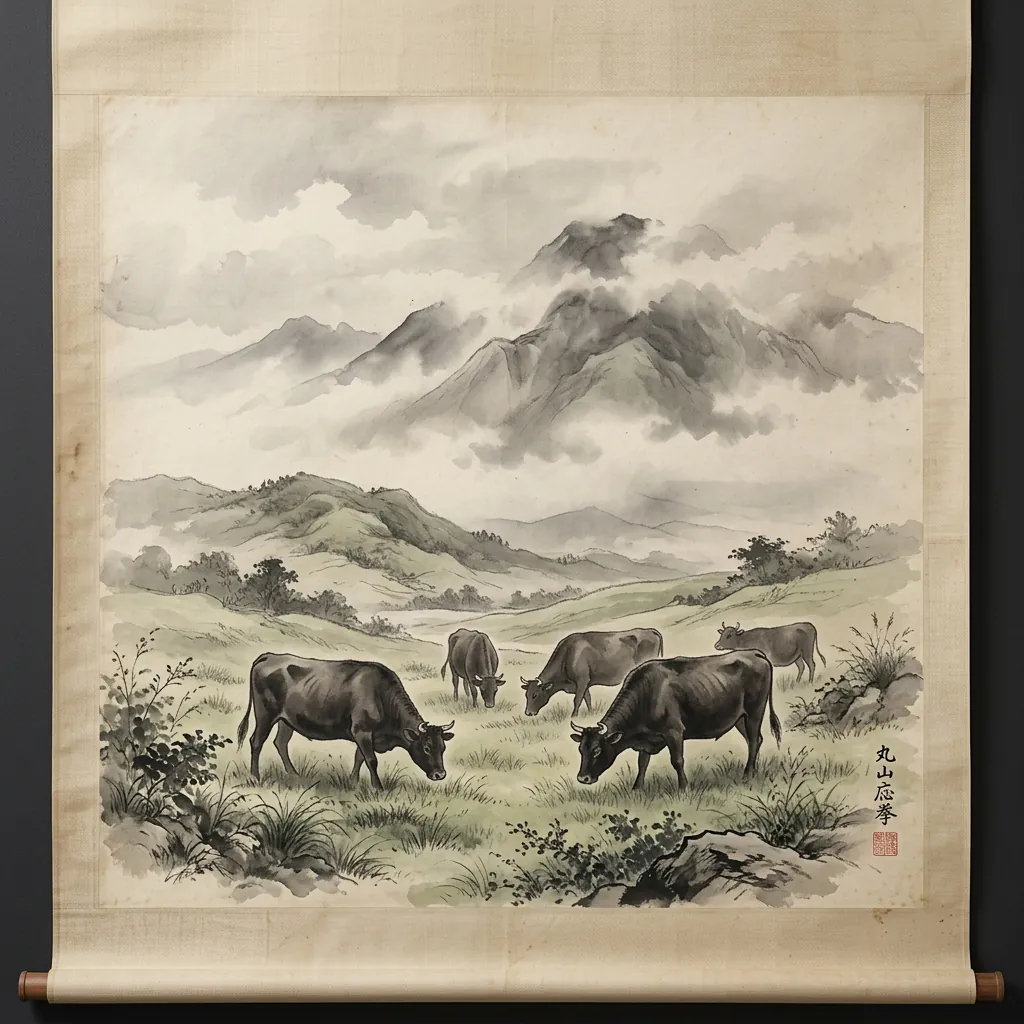
Japan produces some of the world's most sought-after food products — from A5 Wagyu beef and ceremonial-grade matcha to first-harvest Ariake nori and sun-dried Oita shiitake. But for international buyers, the process of importing these premium ingredients can feel daunting.
This guide breaks down everything you need to know about importing Japanese food, whether you're a restaurant owner sourcing ingredients, a retailer building a Japanese product line, or an individual who wants the real thing shipped to your door.
Understanding Japanese Food Export Regulations
Japan's food export industry is well-established and growing rapidly. The Japanese government actively promotes food exports through organizations like JETRO (Japan External Trade Organization) and the Ministry of Agriculture, Forestry and Fisheries (MAFF).
However, regulations vary significantly depending on what you're importing and where you're importing it to. Here are the key factors:
Product Categories and Their Requirements
| Product | Key Requirement | Complexity |
|---|---|---|
| Wagyu Beef (frozen) | Health certificate, cold-chain logistics, USDA/EU approval | High |
| Matcha / Green Tea | Phytosanitary certificate, pesticide residue testing | Medium |
| Dried Shiitake | Phytosanitary certificate, radiation testing (some countries) | Low–Medium |
| Nori (seaweed) | Standard food import documentation | Low |
| Incense / Non-food | Standard customs declaration | Low |
| Porcelain / Ceramics | Standard customs declaration, fragile packing | Low |
Country-Specific Import Rules
Every destination country has its own food import authority:
- United States: FDA (Food and Drug Administration) requires prior notice for food shipments. USDA handles meat products separately.
- European Union: Requires EU-compliant health certificates and adherence to TRACES (Trade Control and Expert System).
- Singapore: SFA (Singapore Food Agency) requires import permits for most food items.
- UAE / Middle East: Halal certification may be required for some products.
- Australia: DAFF (Department of Agriculture) has strict biosecurity requirements.
Not Sure About Your Country's Requirements?
We handle export documentation for 50+ countries. Tell us what you need and where you are — we'll confirm feasibility within 24 hours.
Send Inquiry Chat on WhatsAppStep-by-Step: How to Import Japanese Food
Step 1: Identify What You Want to Import
Start by defining your product needs clearly. Consider: What specific products? What quantities (personal use vs. commercial)? How often do you need supply? What's your budget range?
Step 2: Find a Reliable Japanese Supplier
This is the most critical step. Options include:
- Direct from producers: Highest quality but requires Japanese language skills and relationship-building
- Japanese trading companies: Large scale but often require high MOQs
- Curated export services: Companies like WAGYU NINJA that source directly from artisans, handle all documentation, and offer flexible quantities
Step 3: Request Samples and Quotes
Always taste before committing to volume. A reputable supplier will offer samples at cost. Your quote should include: product cost, international shipping, insurance, and estimated duties.
Step 4: Prepare Documentation
Your supplier should prepare the Japan-side export documents. You (or your customs broker) handle the import side. Key documents include:
- Commercial Invoice
- Packing List
- Health Certificate (for animal/plant products)
- Phytosanitary Certificate (for plant products)
- Certificate of Origin
- Bill of Lading / Air Waybill
Step 5: Choose Your Shipping Method
The right shipping method depends on your product type and budget:
| Method | Best For | Timeline | Cost |
|---|---|---|---|
| Air freight (EMS/DHL) | Small orders, perishables | 3–7 days | Higher |
| Sea freight (FCL/LCL) | Large commercial orders | 2–6 weeks | Lower |
| Refrigerated container | Frozen Wagyu, large volume | 3–6 weeks | Medium |
Common Mistakes to Avoid
- Skipping sample testing — Quality varies dramatically between producers. Always verify before committing.
- Ignoring cold-chain requirements — Frozen products like Wagyu must maintain -18°C throughout transit. One break in the chain and the product is compromised.
- Underestimating customs duties — Research your country's tariff rates. Wagyu beef can carry 20-40% duty in some markets.
- Not checking import restrictions — Some countries ban certain Japanese food imports entirely. Verify before ordering.
- Working with middlemen who've never visited the producers — Traceability matters. Ask your supplier about their direct relationships with artisans.
Why Work With a Curated Export Service?
For most international buyers, working with a curated export service like WAGYU NINJA offers the best balance of quality, convenience, and cost. Here's why:
- Direct artisan relationships — We visit every producer personally
- All documentation handled — Health certificates, customs invoices, phytosanitary certificates
- Flexible quantities — From a single personal order to recurring wholesale supply
- Cold-chain expertise — Temperature-controlled shipping for perishables
- One point of contact — No juggling multiple suppliers across language barriers
Ready to Start Importing from Japan?
Tell us what products you're interested in. We'll send you a personalized quote within 24–48 hours.
Get a Quote →Ready to source from Japan?
Tell us the product, volume and destination. Karen will confirm availability, documents and lead time.