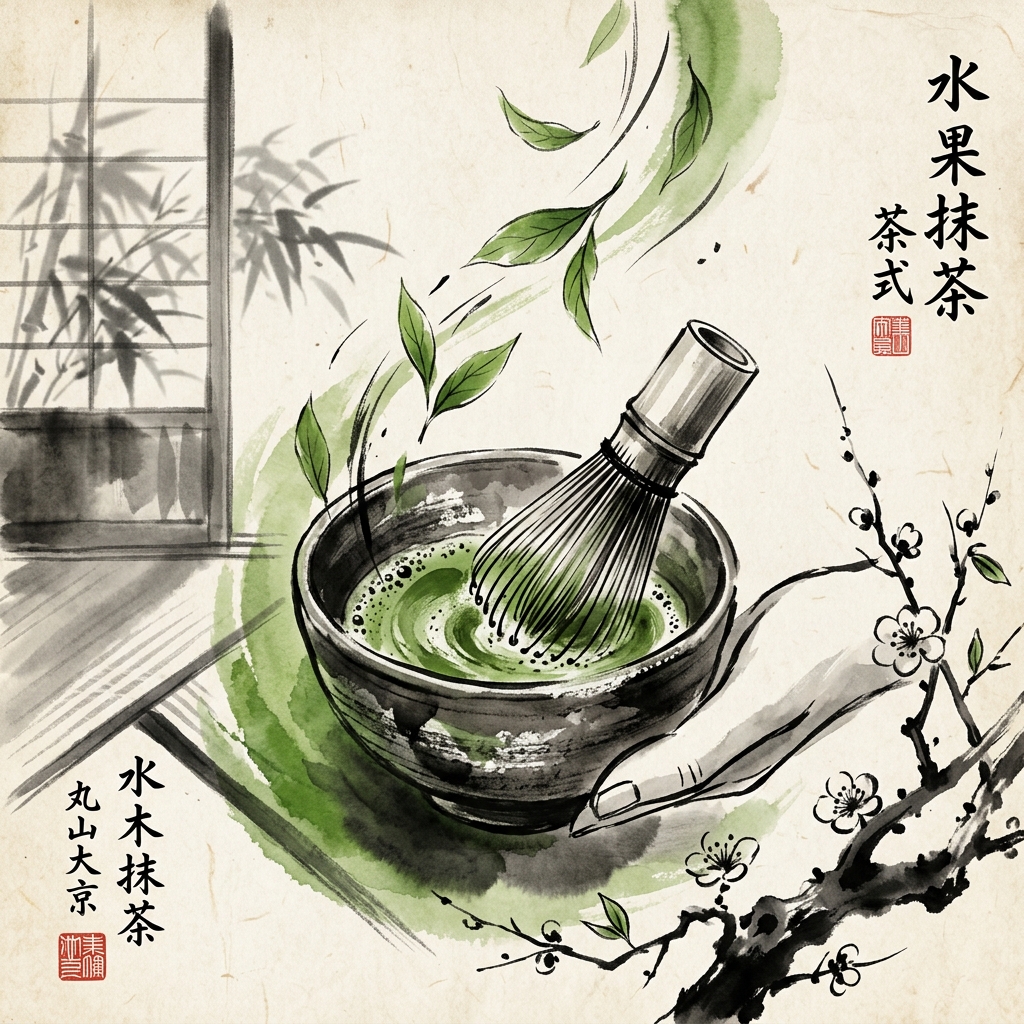
The 2026 shincha season is happening right now. Across Japan's tea-growing regions — from the volcanic slopes of Kagoshima to the misty hillsides of Uji — farmers are harvesting the year's very first flush of tea leaves. This is the most prized, most limited, and most flavorful tea Japan produces all year.
If you're a wholesale buyer, café owner, or brand looking to source first-flush Japanese matcha or sencha, this is your window. Once the harvest ends in late May, these lots are gone until next spring.
What Is Shincha? Why Does It Matter?
Shincha (新茶) literally means "new tea" — the first harvest of the year after tea plants emerge from winter dormancy. During the cold months, tea plants accumulate a concentrated store of amino acids, particularly L-theanine, which gives shincha its characteristic:
- Intense umami sweetness — dramatically more complex than later harvests
- Vivid emerald green color — highest chlorophyll concentration of the year
- Rich amino acid profile — up to 3x more L-theanine than second-flush tea
- Delicate, clean finish — minimal astringency or bitterness
- Natural scarcity — the harvest window is only 4-6 weeks per region
For matcha specifically, first-flush tencha (the shade-grown leaves that become matcha) produces the most vibrant, sweetest ceremonial-grade powder. This is the matcha that competition-grade tea ceremony practitioners seek — and that premium cafés and brands use to differentiate their products.
2026 Shincha Harvest Calendar
Japan's tea harvest follows a south-to-north progression, called "sakura-zensen" for cherry blossoms and "shincha-zensen" for new tea:
| Region | Prefecture | Harvest Start | Peak Window | Best For |
|---|---|---|---|---|
| Kagoshima | Kagoshima | Early April | April 10 – May 10 | Early-access culinary & premium matcha |
| Shizuoka | Shizuoka | Mid-April | April 20 – May 15 | Sencha, high-volume green tea |
| Uji | Kyoto | Late April | April 25 – May 25 | Ultra-premium ceremonial matcha |
| Nishio | Aichi | Late April | April 28 – May 30 | Consistent wholesale matcha supply |
Note: 2026 harvest dates are based on current conditions and historical patterns. Actual dates may shift by ±1 week depending on weather.
⚡ Secure Your 2026 Shincha Allocation
First-flush matcha from Uji, Nishio, and Kagoshima is available now for wholesale pre-order. Minimum 5kg. Supply is limited by nature — once the harvest window closes, these lots are gone until 2027.
Request Shincha Quote → Chat on WhatsApp2026 Shincha Matcha Wholesale Pricing
First-flush matcha commands a premium over standard wholesale matcha, but the flavor and marketing value justify the investment for premium-positioned brands:
| Grade | Origin | 5-10 kg | 10-50 kg | 50+ kg |
|---|---|---|---|---|
| Shincha Ceremonial | Uji (Kyoto) | ¥70,000/kg | ¥58,000/kg | Negotiable |
| Shincha Premium | Nishio (Aichi) | ¥40,000/kg | ¥32,000/kg | ¥26,000/kg |
| Shincha Culinary | Kagoshima | ¥22,000/kg | ¥18,000/kg | ¥15,000/kg |
| First Flush Sencha | Shizuoka / Kagoshima | ¥12,000/kg | ¥9,000/kg | ¥7,000/kg |
Prices are FOB Japan (before international shipping). Actual prices depend on specific farm, cultivar, and lot quality. Contact us for current 2026 pricing.
Why Smart Buyers Pre-Order During Shincha Season
1. You Get the Year's Best Quality
First-flush leaves contain the highest concentration of L-theanine, catechins, and chlorophyll. The flavor profile of April/May matcha is measurably superior to later harvests. Lab testing consistently shows 2-3x amino acid levels compared to nibancha (second flush).
2. You Lock In Supply Before It's Gone
Japan's matcha supply is shrinking year over year. Aging farmers, shrinking farmland, and surging global demand mean that first-flush lots sell out faster each season. Pre-ordering during the harvest window guarantees your allocation.
3. You Get a Price Advantage
Matcha purchased directly from producers during harvest is typically 15-25% cheaper than buying from resellers months later, after storage and middleman markups have been added.
4. Marketing Power — "First Flush 2026"
Shincha carries powerful marketing cachet. Like wine vintages, tea enthusiasts and premium consumers actively seek first-flush products. Labeling your matcha as "2026 First Flush, Uji Kyoto" commands premium retail pricing.
How to Order 2026 Shincha Through WAGYU NINJA
- Tell us your needs — Grade (ceremonial/premium/culinary), volume, destination country. Use our quote form or WhatsApp.
- Receive a detailed quote — Within 24 hours, Karen personally prepares pricing with specific farm origin, harvest date, and shipping options.
- Confirm & ship — We handle all export documentation (phytosanitary certificates, customs invoices, health certificates). Air freight delivers in 3-7 days worldwide.
Frequently Asked Questions
When is the 2026 shincha season in Japan?
The 2026 shincha season begins in mid-April in Kagoshima and progresses northward through May, reaching Uji and Nishio by late April to mid-May. The window is approximately 4-6 weeks per region.
Why is shincha matcha more expensive than regular matcha?
Shincha uses the first leaves after winter dormancy, which are richest in L-theanine, amino acids, and chlorophyll. This creates a sweeter, more umami-forward flavor with vibrant green color. Supply is limited to a 4-6 week harvest window, making it inherently scarce.
Can I order samples before committing to wholesale volume?
Absolutely. We offer sample packs (100g-500g) of each shincha grade so you can evaluate quality before placing a larger order. Request a sample here.
How long does first-flush matcha stay fresh?
Properly stored (nitrogen-flushed, sealed, cool and dark), shincha matcha maintains peak quality for 6-12 months. We recommend ordering during the harvest window and storing sealed at room temperature for year-round use.

Karen Hashimoto
Curator & Export Compliance Director · WAGYU NINJA
Karen sources directly from Japanese producers and handles export compliance for B2B buyers in 50+ countries. Based in Fukuoka, Japan. @konnichiwa.karen