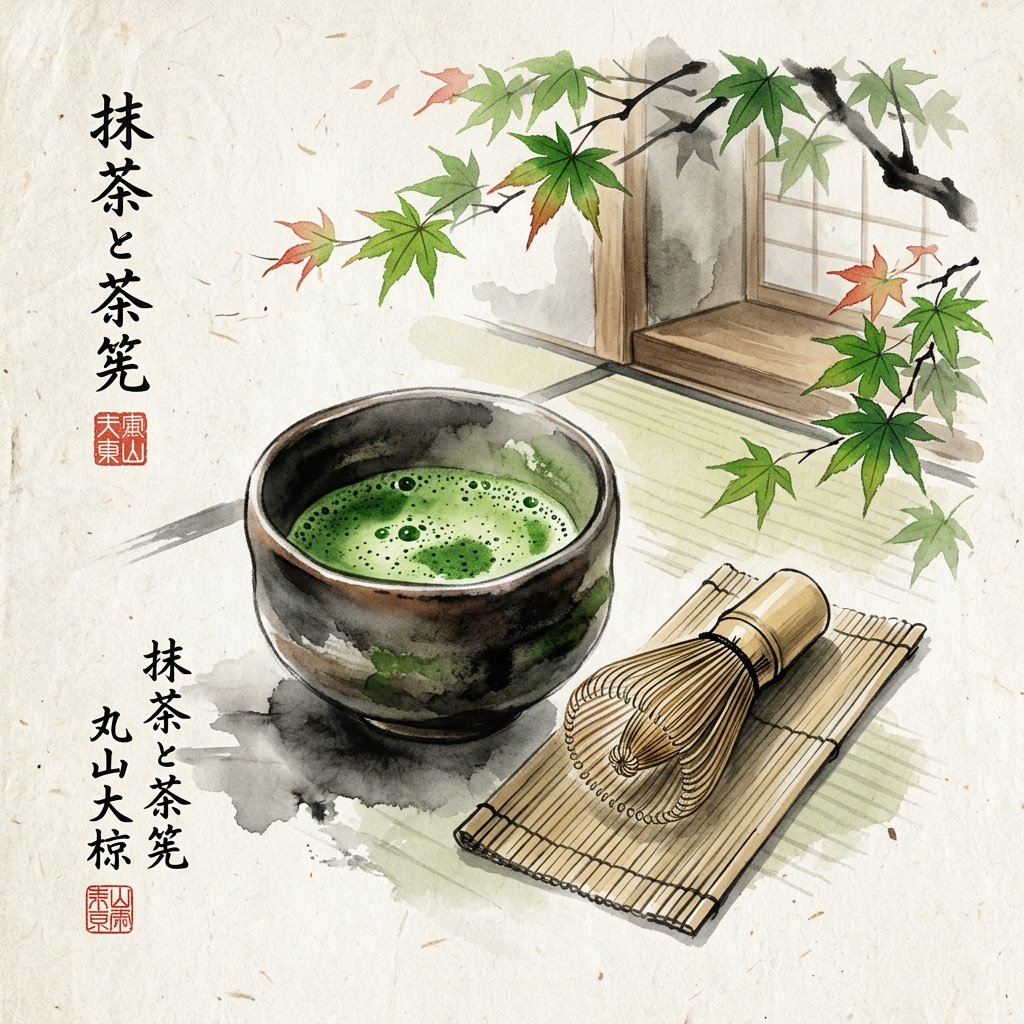
The Importance of the Harvest Season
When you purchase matcha, you are not just buying powdered green tea; you are paying for the precise timing and meticulous care of the harvest. The most profound difference in matcha quality comes down to when the tea leaves were plucked: the First Flush (Ichibancha) versus the Second Flush (Nibancha) or later harvests.
What is First Flush (Ichibancha)?
First Flush refers to the very first harvest of the spring, typically occurring in late April to early May in regions like Yame, Fukuoka. After resting throughout the cold winter, the tea bushes store massive amounts of nutrients, amino acids (specifically L-theanine), and natural sweetness.
Only the youngest, most tender shoots at the very top of the shaded tea plants are hand-picked. This results in matcha that is vibrant emerald green, profoundly sweet, rich in umami, and devoid of astringency. This is the only tier that qualifies as true Ceremonial Grade.
What is Second Flush (Nibancha)?
Second Flush is harvested in late June to early July. Because the plant has already expended its stored winter nutrients during the first harvest, these leaves grow faster in the summer heat and contain far more catechins (tannins). This results in a duller, yellowish-green color and a noticeably bitter, astringent taste.
While Second Flush is excellent for culinary purposes (baking, smoothies, heavily sweetened lattes) where its bold flavor can cut through sugar and dairy, it should never be consumed as traditional Koicha (thick tea) or Usucha (thin tea).
The Danger of "Fake" Ceremonial Grade
Unfortunately, because "Ceremonial Grade" is not a legally protected term internationally, many overseas brands package cheap, bitter summer-harvest matcha in luxury tins. At WAGYUNINJA, we source exclusively from award-winning tea estates in Yame, ensuring our premium matcha is 100% First Flush, stone-milled to perfection.
Related Articles
- The Ultimate Guide to Traditional Japanese Matcha Preparation
- The Science of Kagoshima Organic Matcha: Volcanic Soil and Sustainable Farming
- How to Source Authentic Yame Matcha for Your Cafe Business

Karen Hashimoto
Curator & Export Compliance Director · WAGYU NINJA
Karen sources directly from Japanese producers and handles export compliance for B2B buyers in 50+ countries. Based in Fukuoka, Japan. @konnichiwa.karen